
Field Schools
Field Schools
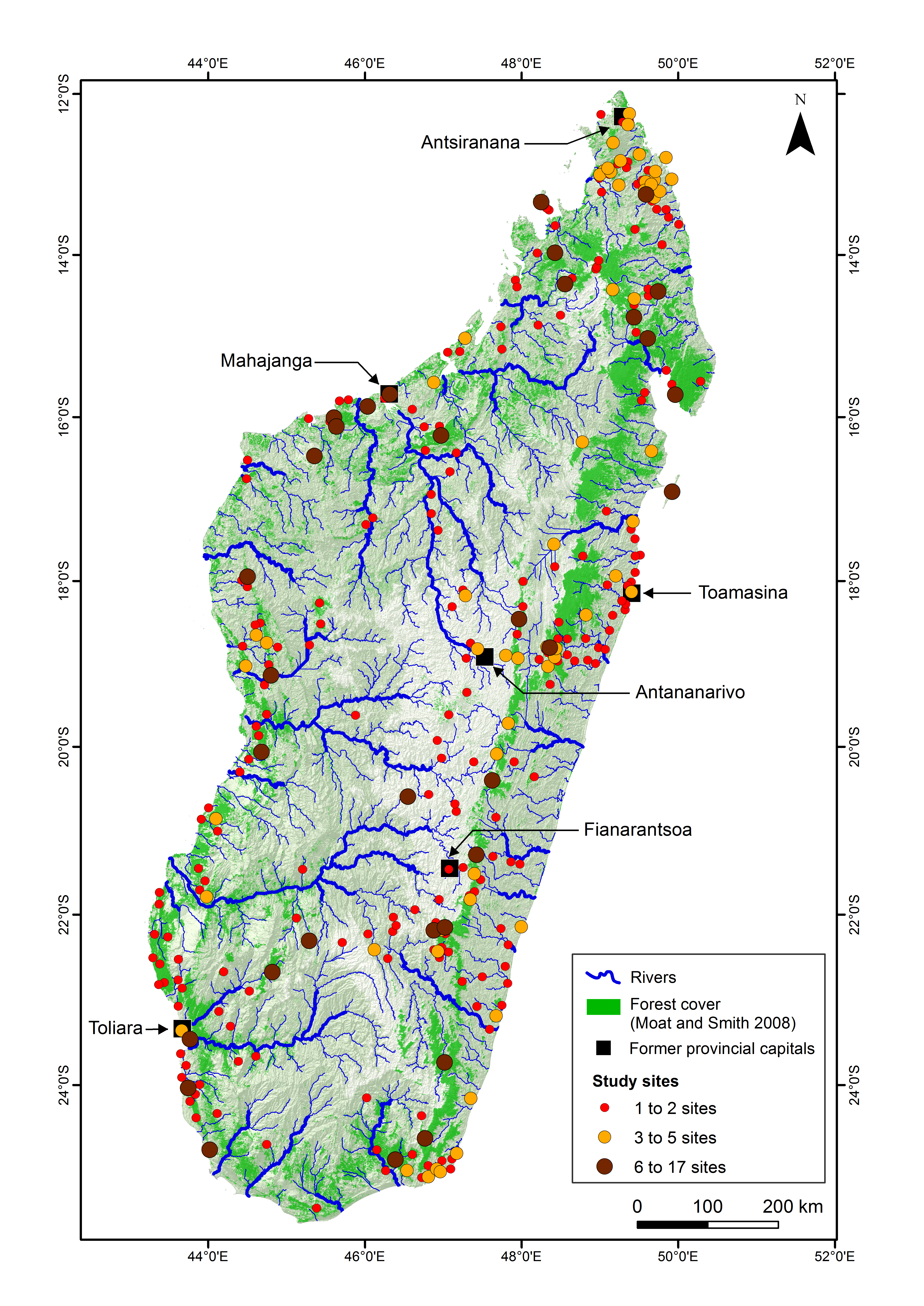
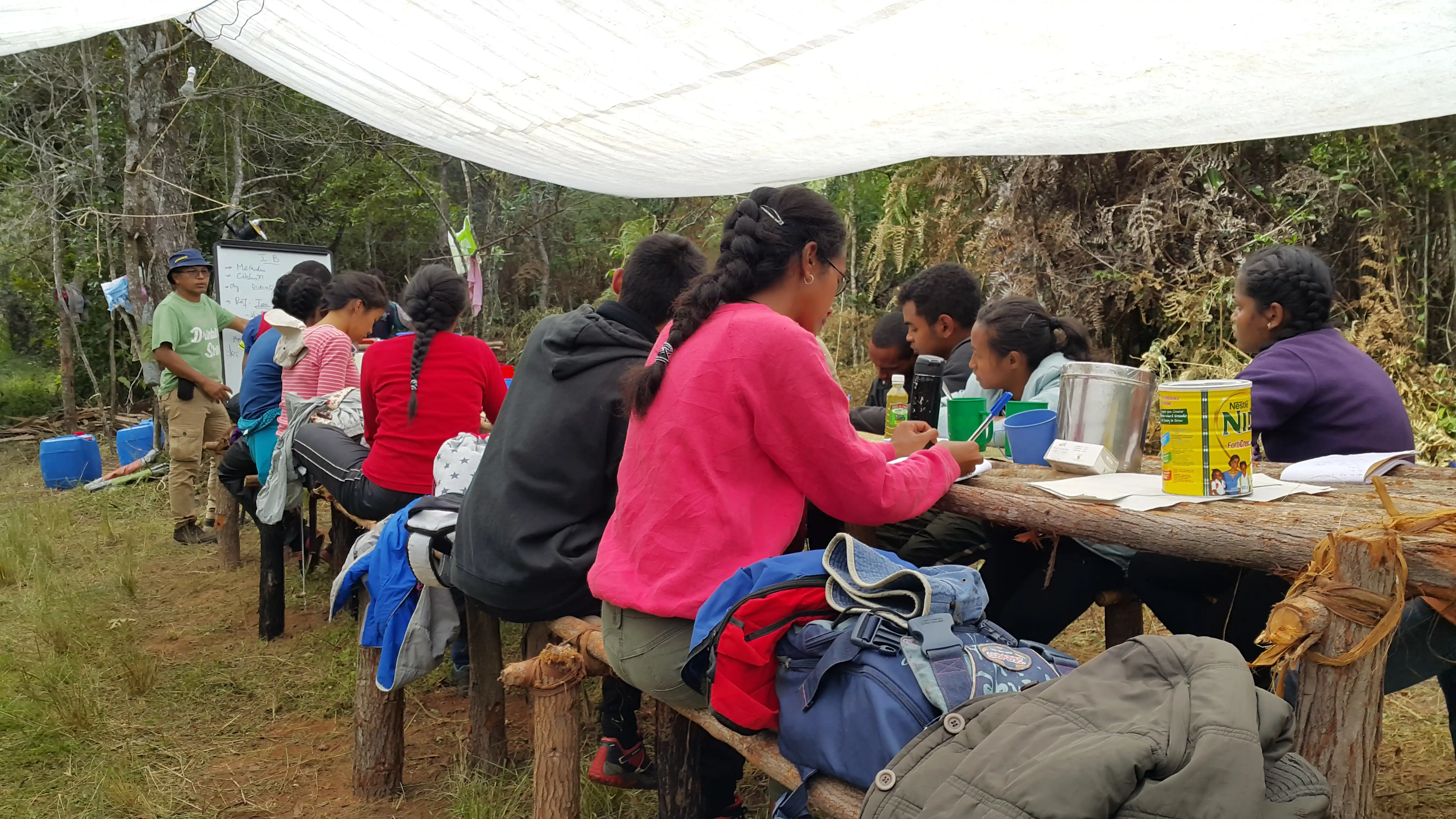
Over the course of the past 30 years, the ETP and now Vahatra have conducted field schools on a nearly yearly basis for young graduate students enrolled in both national and foreign university systems (Antananarivo, Mahajanga, Toliara, and KwaZulu Natal in South Africa). In most cases, these field trips and associated biological inventories are the first contact these students have with researchers, field techniques, and forest-dwelling animals. During these field schools, which normally last 10-14 days, the participating students form small groups and rotate every few days between the different disciplines represented. Hence, they are exposed to a wide range of ideas, instruction, and practical aspects that will help them during their own graduate studies. Further, while in the field, the participating researchers, mostly composed of professional Malagasy scientists, present seminars to form a clear bridge between theoretical facets presented in university classrooms and practical aspects of obtaining field data.
The Association Vahatra participate in the reinforcement of capacity building of local people, technicians and managers working on conservation of the Malagasy biodiversity. These different individuals have an important bearing on a range of conservation targets, including the preservation of different species and habitats, as well as community development. Hence, the project of Vahatra through capacity building acts as a sort of retooling for those already actively involved in the domain (numerous project technicians), and as a source of new knowledge on some aspects of researches where they are not familiar with. The idea is not only to reinforce that they have already, but to inspire them also the broad picture of the ecosystem functioning, and to aware them that they play a key role in the advancement and sharing of the knowledge concerning the site they have in charge to manage and preserve.
For both students and conservation actors, the Association Vahatra believes that the reinforcement of capacity building help to set the firm foundation of future conservation actions. We aim at bolstering the future by properly advancing younger individuals, and conservationists that are or will be actively engaged in enhancing and developing future conservation programs.
Ambohitantely
Show more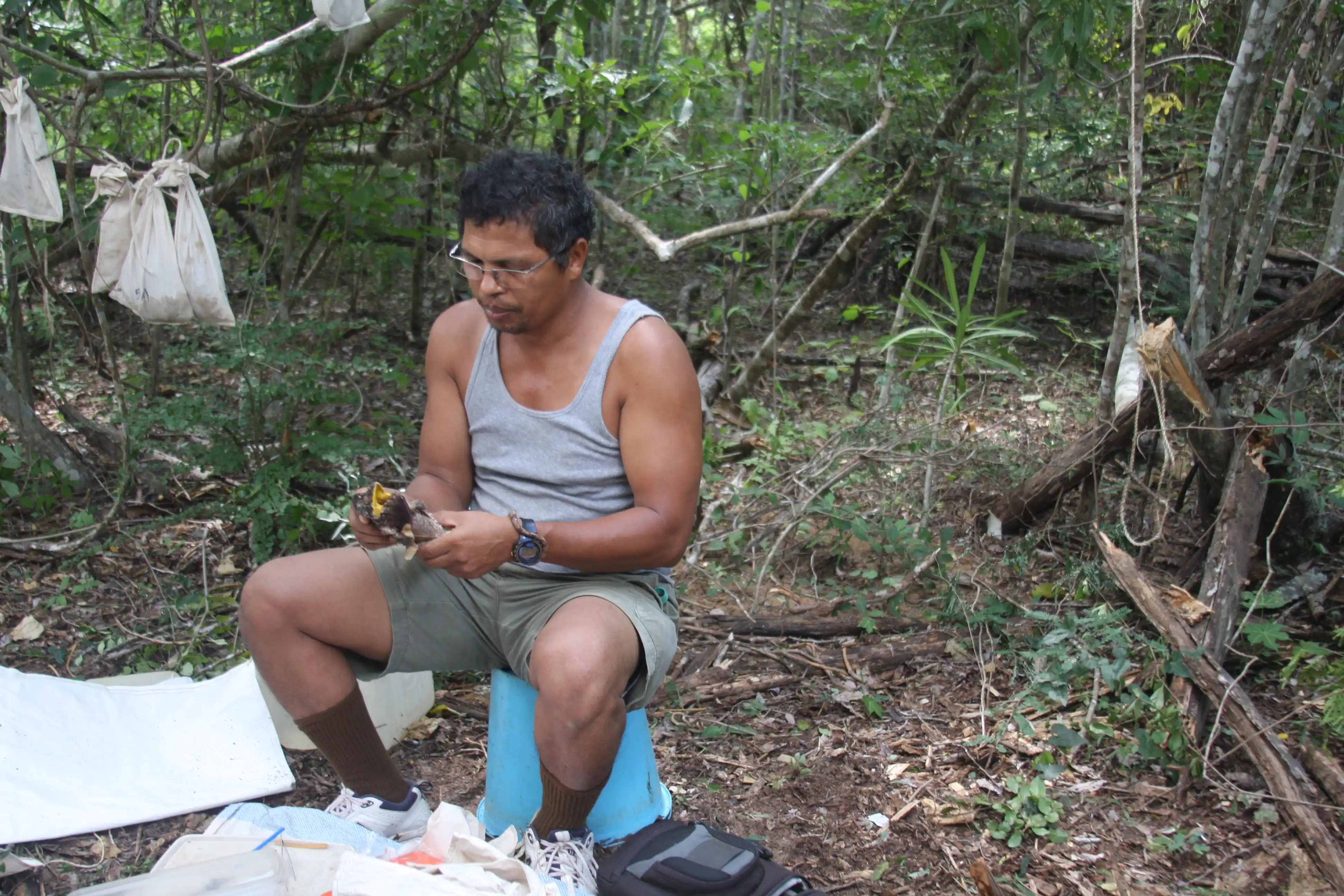
Andranomay
Show more
Andranomena
Show more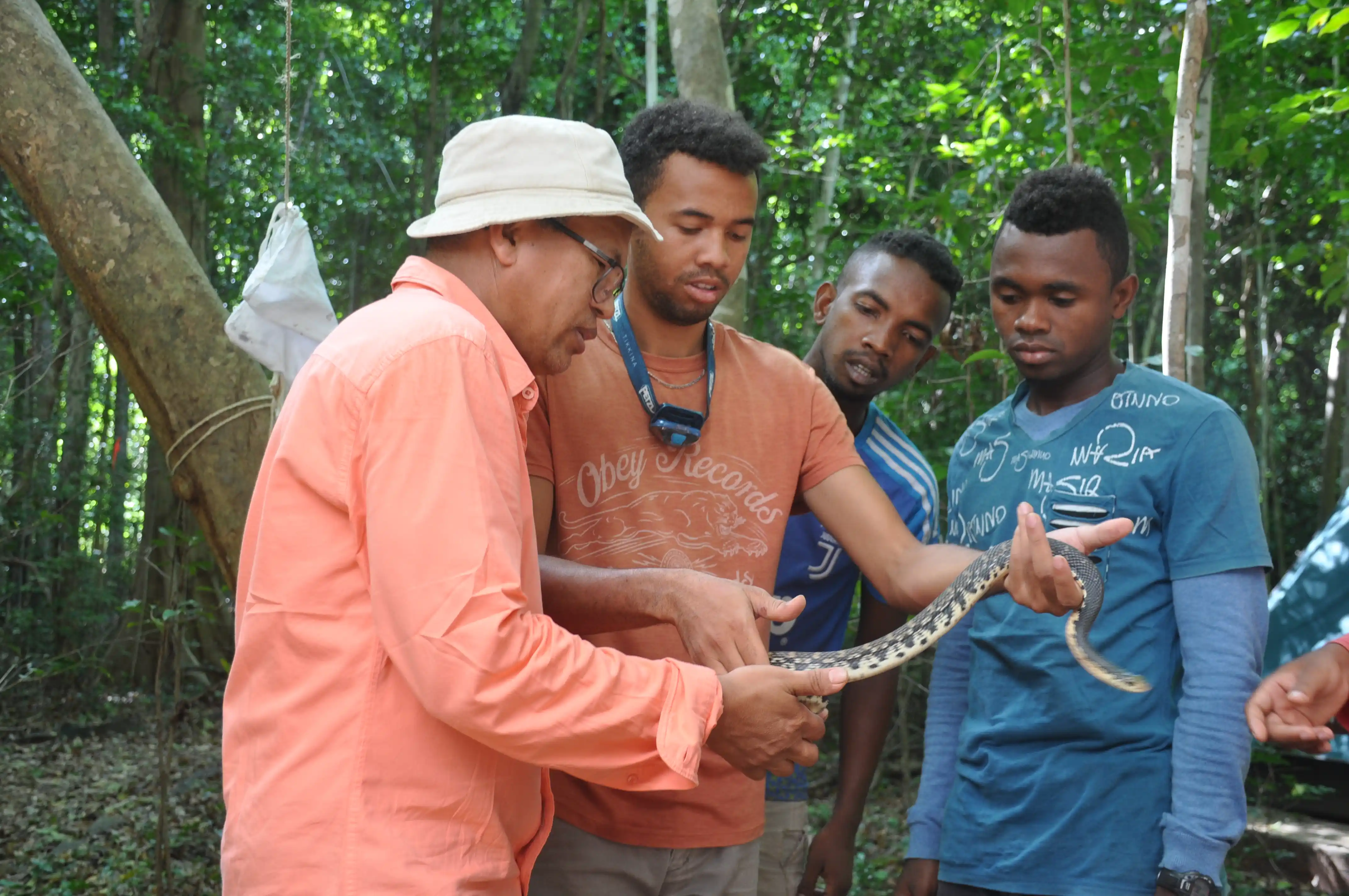
Ankarana
Show more
Ankaratra
Show more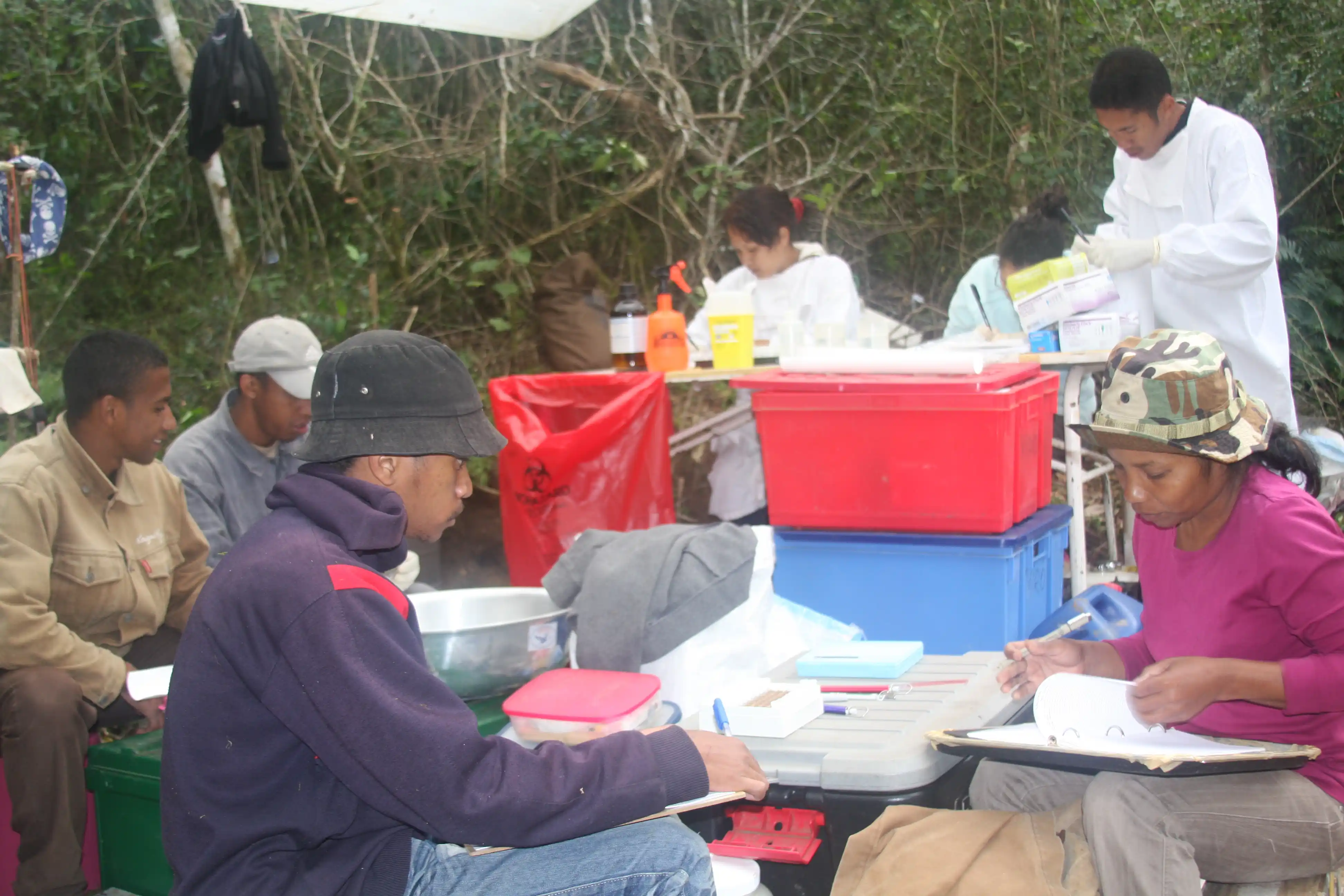
Ankazomivady
Show more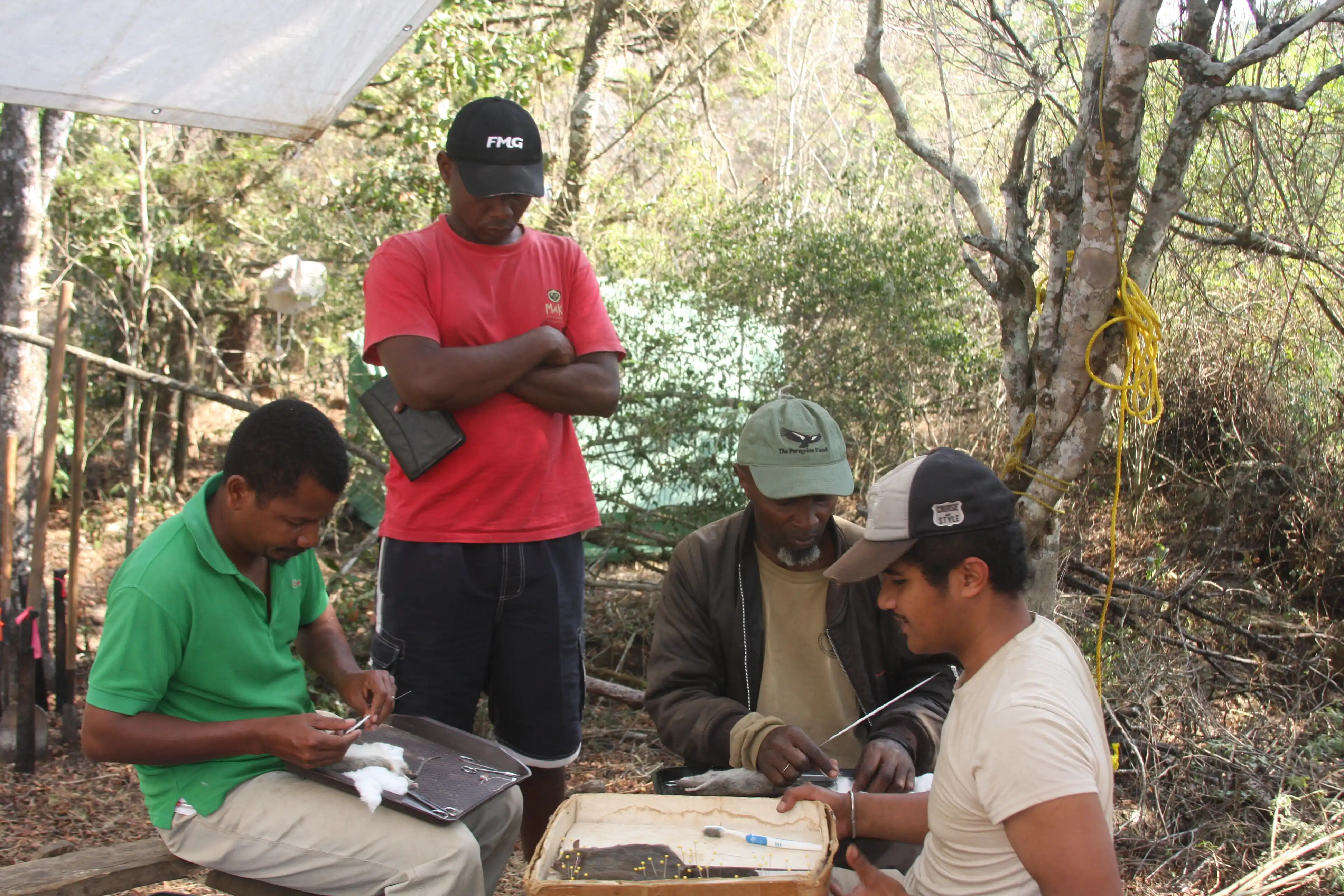
Bemanevika
Show more
Bemaraha
Show more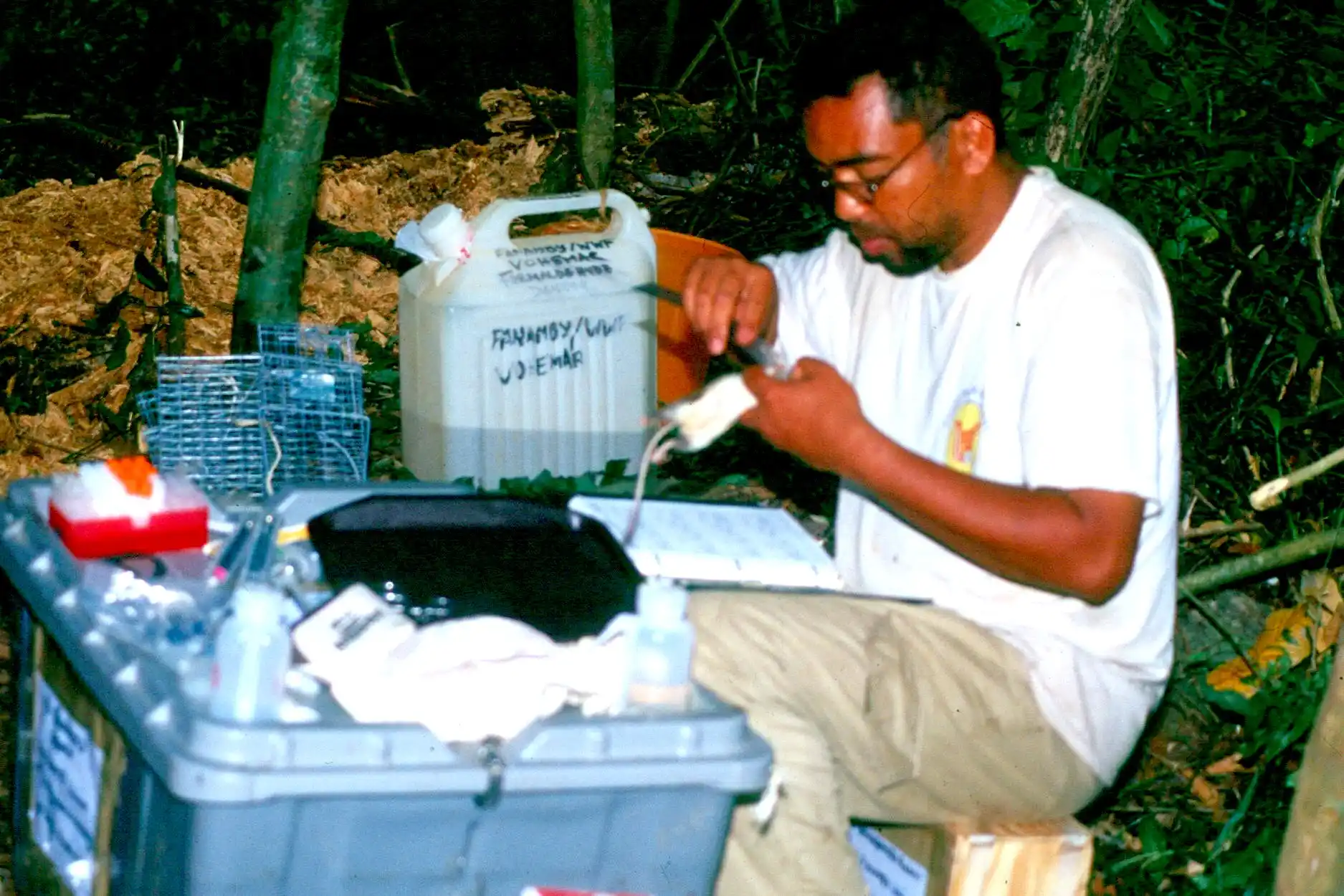
Daraina
Show more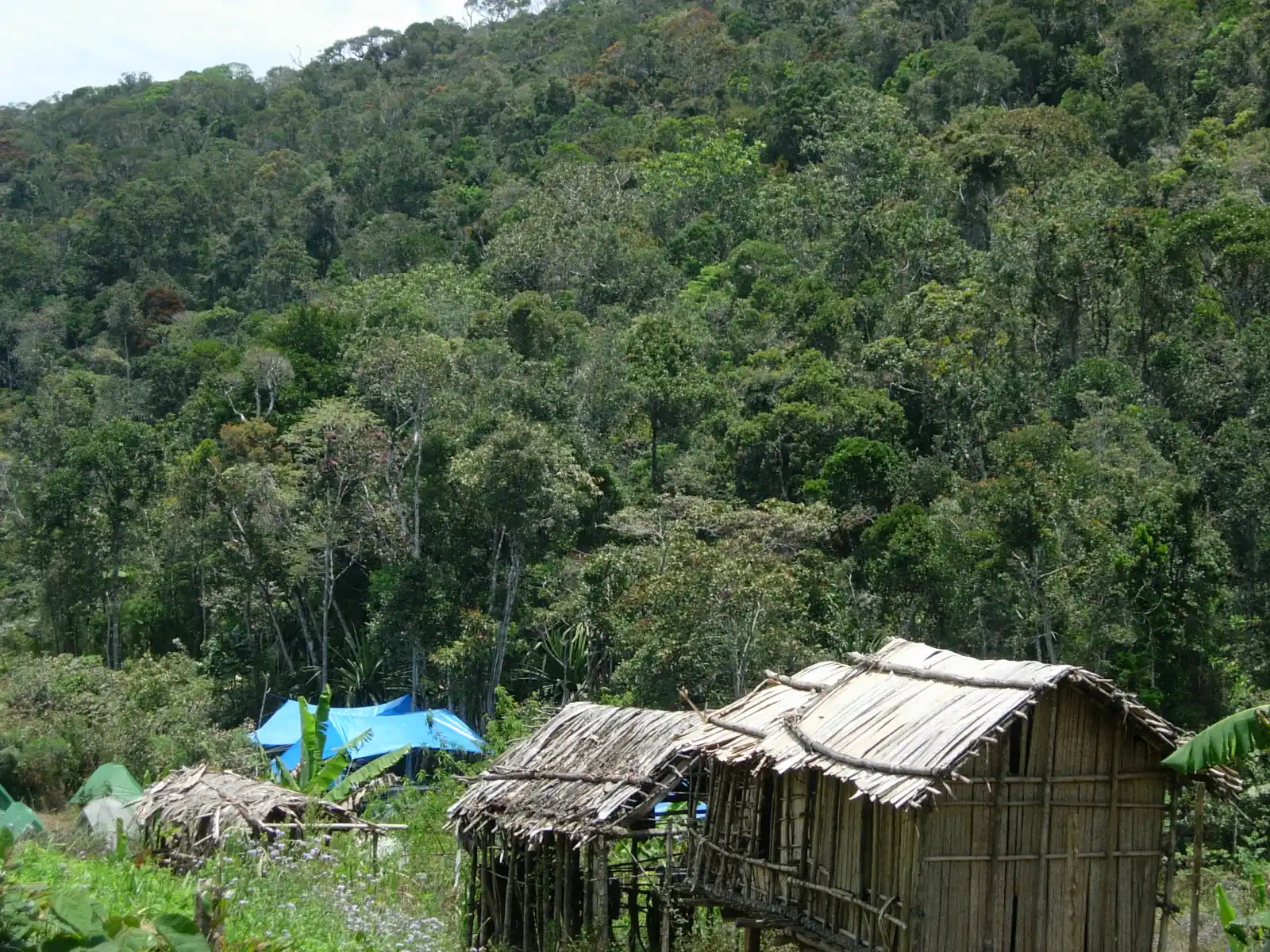
Lakato
Show more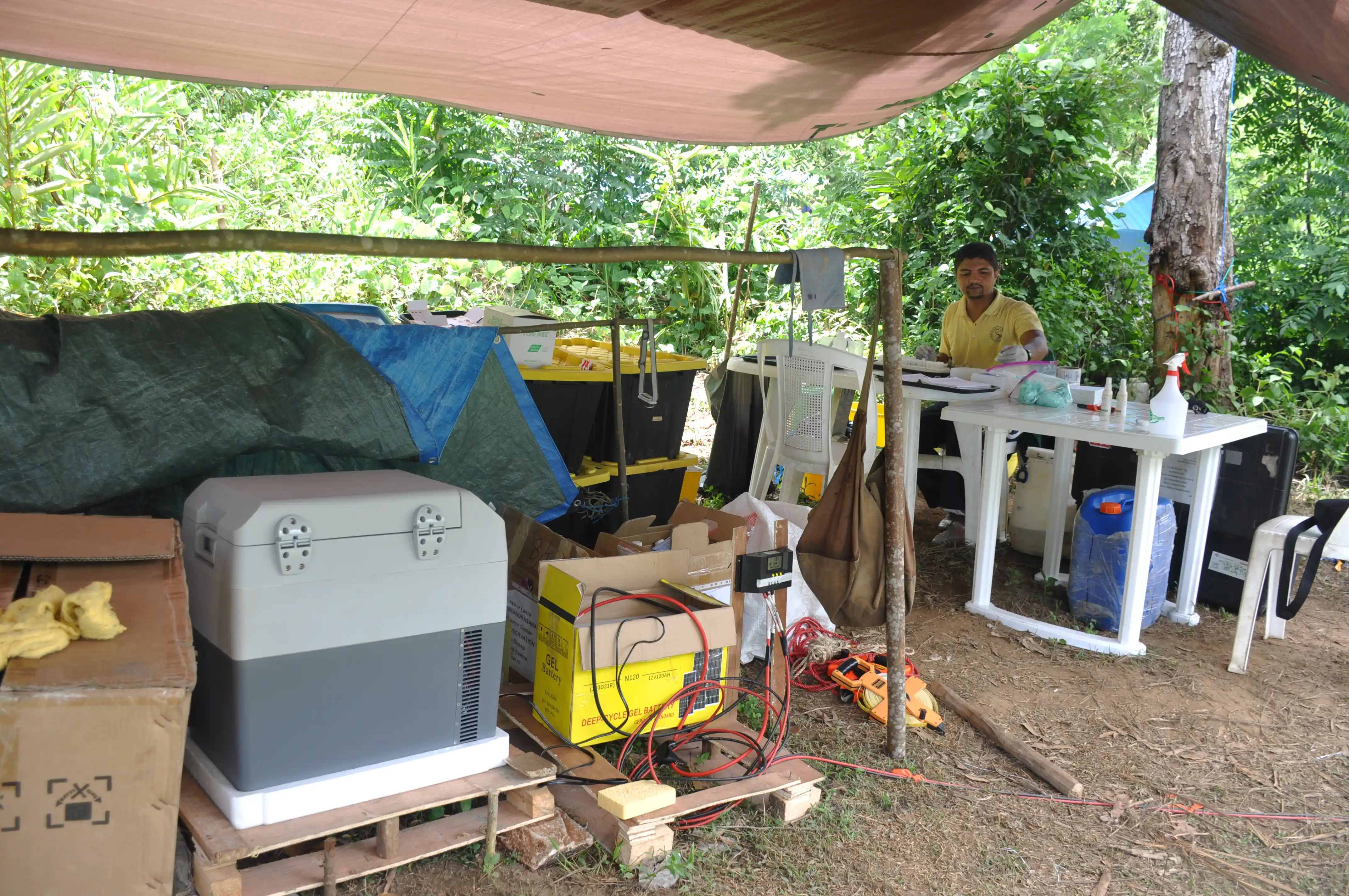
Marojejy
Show more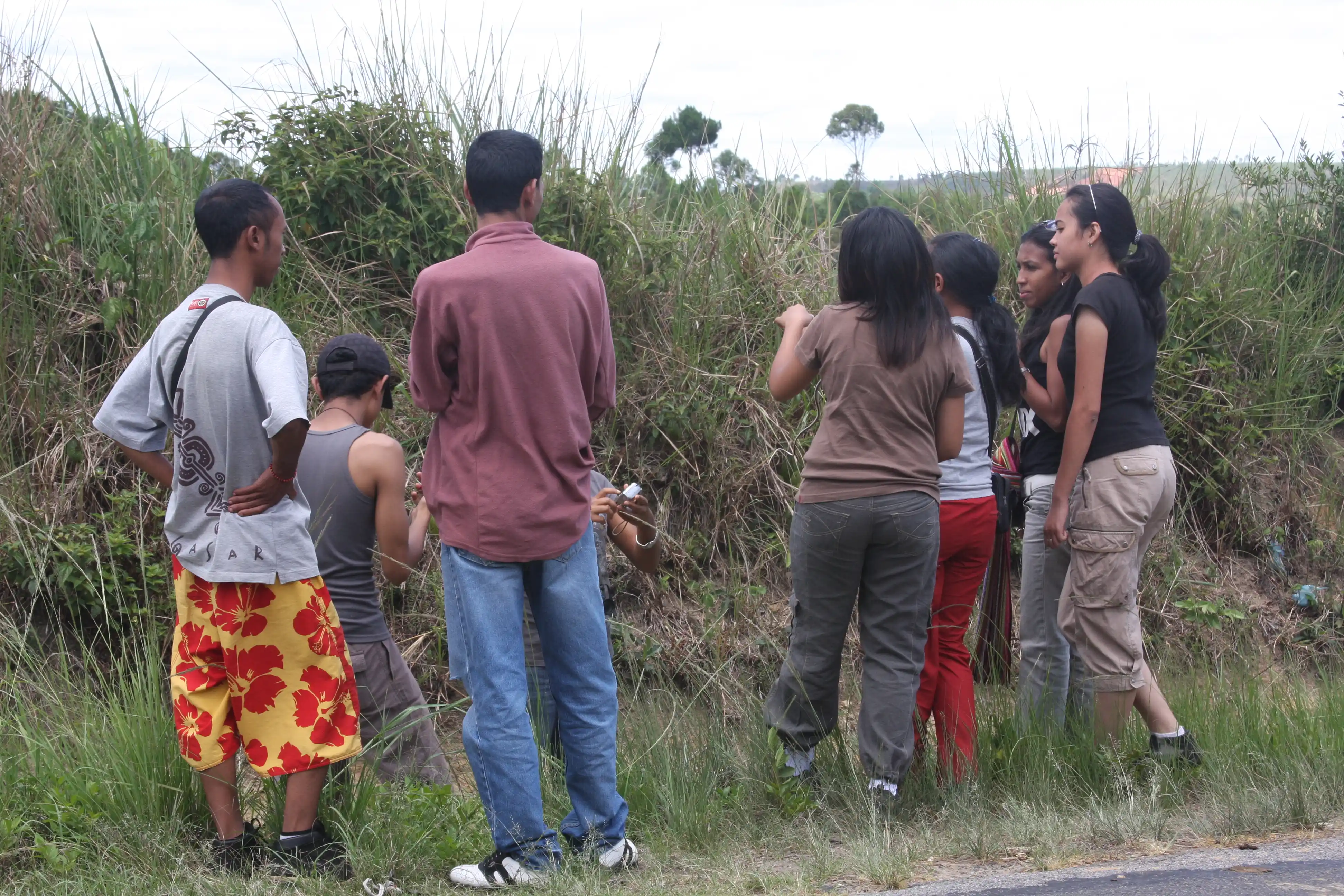
Maromiza
Show more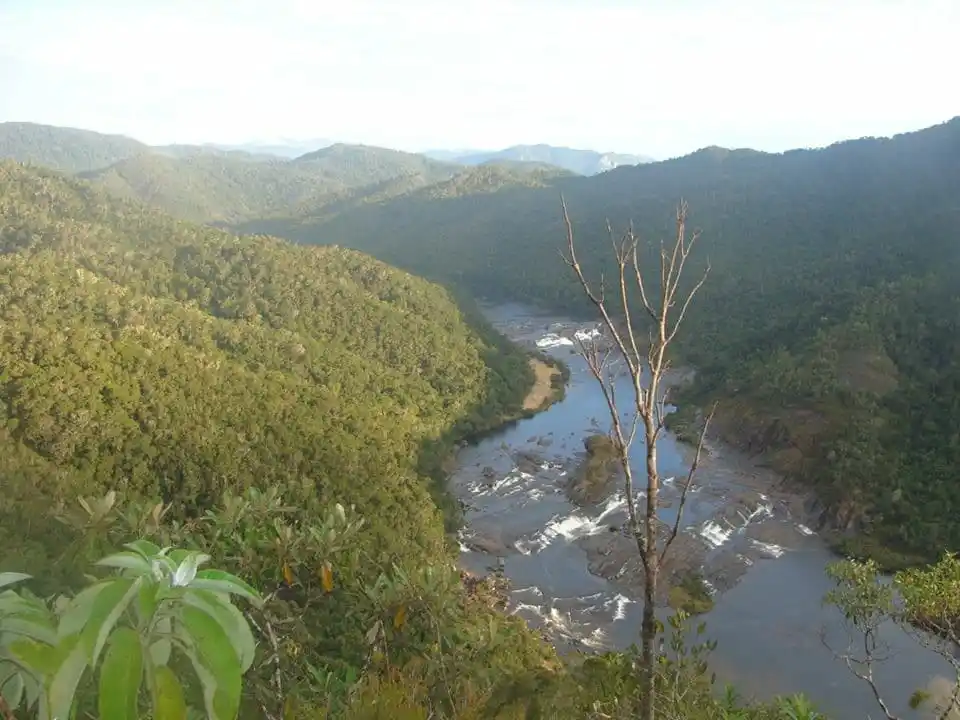
Midongy du Sud
Show more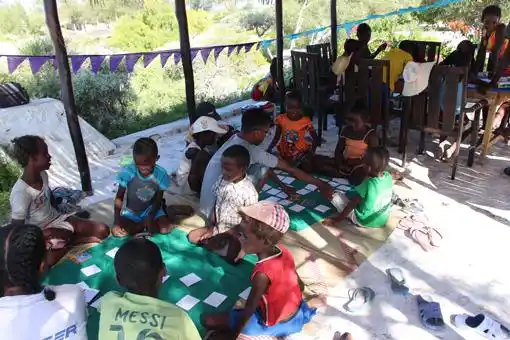
Salary Bay
Show more
Tampolo Fenérive-Est
Show more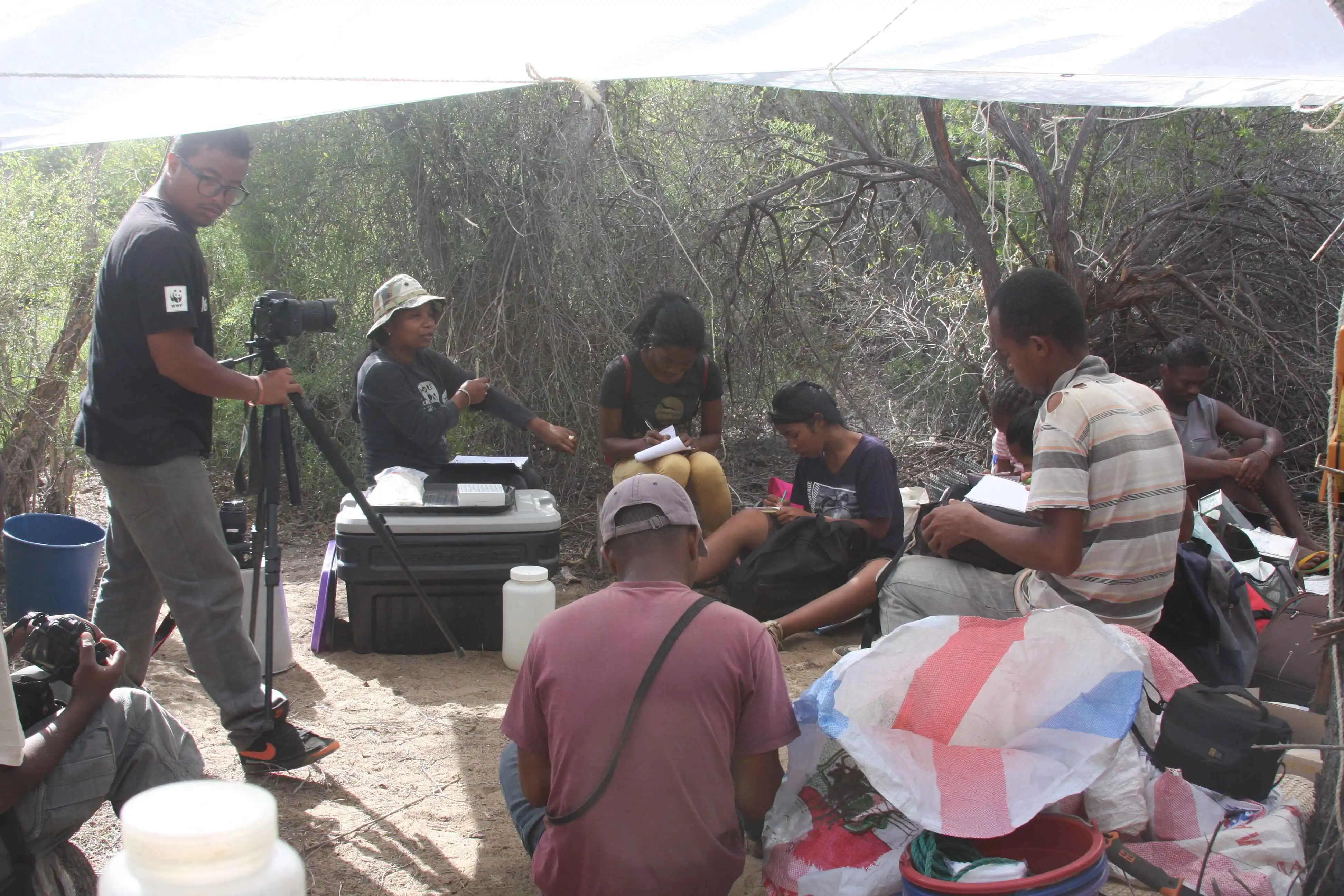
Tsimanampetsotsa
Show more(Scroll down to see details)