
World Heritage Restoration: …
World Heritage Restoration: Atsinanana Rainforests
- 2021
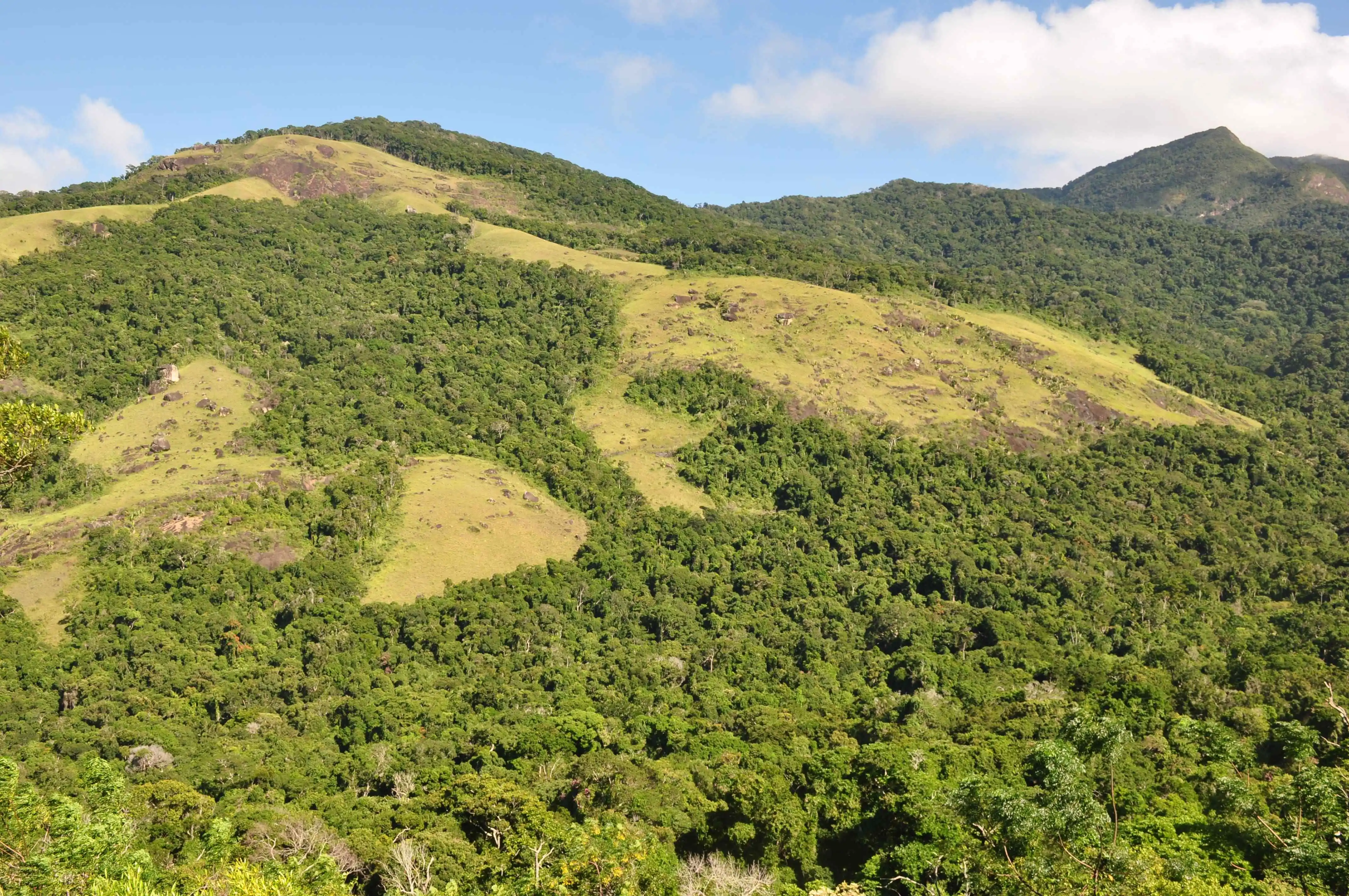
The moist evergreen moist evergreen forests of the eastern region of Madagascar are home to an exceptional diversity of plants and animals and these ecosystems play a fundamental role in maintaining biodiversity and ecological processes. Their integration some years back within UNESCO’s network of World Heritage Sites, the series of protected areas known as “The Rainforest of the Atsinanana”, was a crucial step in supporting efforts to preserve their Outstanding Universal Values. Unfortunately, these ecosystems for different economic and cultural reasons are often subject to anthropogenic pressures. The 2009 political crisis on Madagascar, a period of near total anarchy in certain areas of the island, allowed people to rush massively into protected areas for illegal exploitation of rosewoods, gold panning, charcoal production, and to acquire new agricultural lands via deforestation. The integrity of the biological diversity of The Rainforest of the Atsinanana and their Outstanding Universal Values have been seriously threatened. The magnitude of the situation was such that UNESCO’s World Heritage Committee decided in 2010 to classify The Rainforest of the Atsinanana in the World Heritage list of sites “In Danger”. The purpose of this current project financed at the level of several million US dollars by the Korea International Cooperation Agency (KOICA) is to rectify the situation through several different approaches: economic development, public education, and studies of the regional biota. The role of Association Vahatra in the project is to examine patterns of biotic diversity at the focal sites through biological inventories, with a focus on change through time. Vahatra scientists and students surveyed several of these sites some 20-25 years ago and comparisons of possible change at the scale of several decades can be made, and if such changes have taken place, to determine the probable causal reasons. Finally, with biodiversity data across nearly 20+ years, it will be possible to strengthen protection of the sites and better understanding different pressures. Another aspect is to install a system of ecological monitoring sites and automated meteorological stations to provide measures of climate change in the future. In early 2021, in the context of this BIOCOM project, a Vahatra field team, together with nine students from The University of Antsiranana and another individual working for the protected area manager took part in a field school and conducted an eco-biological evaluation of the dry forests of Montagne de Français in the far north. The results of this field project have been accepted for publication in Malagasy Nature and will appear in 2023. Further, over the course of nearly eight weeks in October and November 2021, a large field team conducted an elevational transect of Marojejy, one of The Rainforest of the Atsinanana sites. The survey repeated in fine detail the transect of 1996 and across different groups of organisms. This was a large-scale logistic exercise, with five camps between the lowland forest and summital zone of the massif, and with displacements of over 40 porters at a time to carry gear, supplies, and food. The material included solar panels, a large battery, and a small refrigerator to maintain collected samples from forest-dwelling mammals on the massif and tie-in to the Duke University (NIH and NSF) zoonotic disease research project mentioned above. Vahatra and colleagues are in the process of analyzing data to understand patterns of possible change through time and the scientific results will be available in the near future. In late 2022 the Vahatra team will redo another elevational transect in the Andohahela protected area in the same fashion as Marojejy and part of the The Rainforest of the Atsinanana.
Collaborators
- Korea International Cooperation Agency (KOICA)
- United Nations Educational, Scientific and Cultural Organization (UNESCO)
- Madagascar National Parks
Because Madagascar has been an island for tens of millions of years, many of the plants and animals that live there are found nowhere else.