
Diversity And Transmission …
Diversity and transmission dynamics of infectious agents in malagasy bats
- 2021
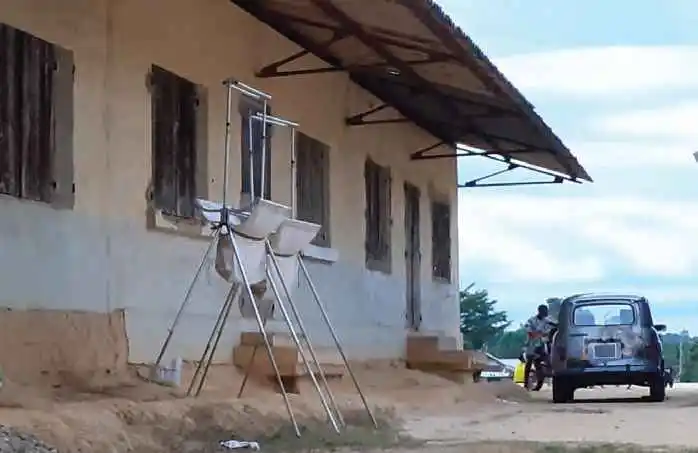
The scientific objectives of this project are to characterize the diversity of infectious agents circulating in bat populations of northern Madagascar and to study the temporal dynamics of transmission, particularly within breeding and day-roosting colonies. Funding is based on a grant from the Fonds Européen de Développement Régional (FEDER). The study in collaboration with Dr. Camille Lebarbenchon from the Processus Infectieux en Milieu Insulaire Tropical (PIMIT) laboratory and associated with The University of La Reunion, and with a Malagasy post-doc, Riana Ramanantsalama, who did his PhD with Vahatra, employs samples of captured/marked/released bats for laboratory analysis. For each bat, samples include oral and rectal swabs, as well as ectoparasites. In the original plan for fieldwork, it was proposed that each study colony, including caves in Ankarana and synanthropic roost sites in buildings in the nearby town of Ambilobe, to be visited every 3-4 months to study seasonal shifts in the temporal dynamics of infection at the population level. Individuals of the fruit bat Rousettus madagascariensis (family Pteropodidae) living in the caves of Ankarana are marked with uniquely numbered rings in order to study infection dynamics at the level of individuals. With the lockdown of 2020, only two visits were conducted to the study sites in that year and we were only able to restart the fieldwork in late 2021. Because of all of the COVID-19 related delays, an extension of the project has been requested from the granting agency. We are still awaiting that decision
Collaborators
- Fonds Européen de Développement Régional (FEDER)
- University of La Reunion
- Processus Infectieux en Milieu Insulaire Tropical (PIMIT)
Because Madagascar has been an island for tens of millions of years, many of the plants and animals that live there are found nowhere else.